Premises liability is the law that applies when you are hurt on property someone else controls: a store, an apartment complex, a parking lot, a marina, or a neighbor’s back steps. Indiana property owners owe their customers and guests a duty to keep the premises reasonably safe, and when they fail that duty, the owner and its insurer are responsible for the harm.
Why Lafayette clients call Moseley & Martinez
Lafayette is an hour down I-65 from Merrillville, which makes it an easy drive for a meeting or a hearing. Purdue, the Subaru plant, and the I-65 corridor give Tippecanoe County a crash profile unlike anywhere else in the state. Our Merrillville office is at 8002 Utah Street, Merrillville, IN 46410, and you can reach it at (219) 472-8391. Most of an injury case is handled by phone, email, and video, and we travel to Tippecanoe County for the parts that need us there: depositions, mediation, and trial.
I-65 between Lafayette and the Lake County line is one of the most dangerous stretches of interstate in Indiana for truck crashes, and State Road 26 and U.S. 52 through the city add the local collisions. Purdue brings pedestrian, bicycle, and scooter cases, and students hurt in Lafayette are often covered by a parent’s auto policy back home; we find that coverage. Tippecanoe County cases are filed at the courthouse on Main Street and we appear there as needed.
Where Lafayette cases are filed: Tippecanoe Superior Court at the Tippecanoe County Courthouse in downtown Lafayette.
Hospitals we work with for Lafayette clients: IU Health Arnett Hospital, Franciscan Health Lafayette East. We request records and bills directly so you are not chasing them.
A straight answer about whether you have a case, free, and no fee unless we recover money for you
Spanish-speaking staff: se habla español
Demand packages built to litigation standards, which is what moves adjusters
You get the check; we handle the bills. Every lien is negotiated down before anything is paid out
What the property owner owed you
Indiana sorts visitors into three groups, and the duty depends on which one you were. An invitee is on the property for the owner’s benefit, such as a customer in a store, and is owed the highest duty: reasonable care to discover dangers and to fix them or warn about them. A licensee, such as a social guest, is owed a warning about hidden dangers the owner actually knows about. A trespasser is owed only a duty not to be willfully or wantonly injured. Most of our cases involve invitees, where Indiana follows the Restatement (Second) of Torts § 343. We must show the owner knew or should have known of the condition, should have expected that you would not discover or protect yourself against it, and failed to use reasonable care to protect you.
Actual knowledge, constructive knowledge, and comparative fault
An owner who created the hazard or was told about it has actual knowledge. An owner who should have found it through reasonable inspection has constructive knowledge, and that is where most premises cases are fought: the longer a condition existed, the harder it is for the owner to say it could not have been found. The defense will also argue that you should have seen the hazard and avoided it. Indiana’s comparative fault statute, Ind. Code § 34-51-2-6, still allows recovery unless you were more than 50 percent at fault, with the award reduced by your share, and an owner’s failure to fix a condition it had every opportunity to find usually outweighs a visitor’s momentary inattention.
The kinds of premises cases we handle
Slip and fall cases involve a surface that gave way underfoot: liquid, ice, grease, or a freshly mopped floor. Trip and fall cases involve a fixed hazard such as a raised sidewalk slab, a parking lot curb stop, or an unmarked step. Each has its own page because the proof is different. Beyond those, we handle structural defects, including floating docks built contrary to the manufacturer’s installation instructions and materials specifications; building-code violations such as a missing handrail or guardrail on a stairway or ramp; inadequate lighting in stairwells and parking areas; and negligent security, where an assault in a parking lot, an apartment complex, or a bar was foreseeable because the owner ignored prior incidents.
Deadlines in Indiana
Most injury claims must be filed within two years of the date of injury (Ind. Code § 34-11-2-4). If a city, county, or state agency is involved, a tort claim notice may be required within 180 days. The sooner you call, the more evidence we can preserve.
Attorneys who handle Lafayette premises liability cases
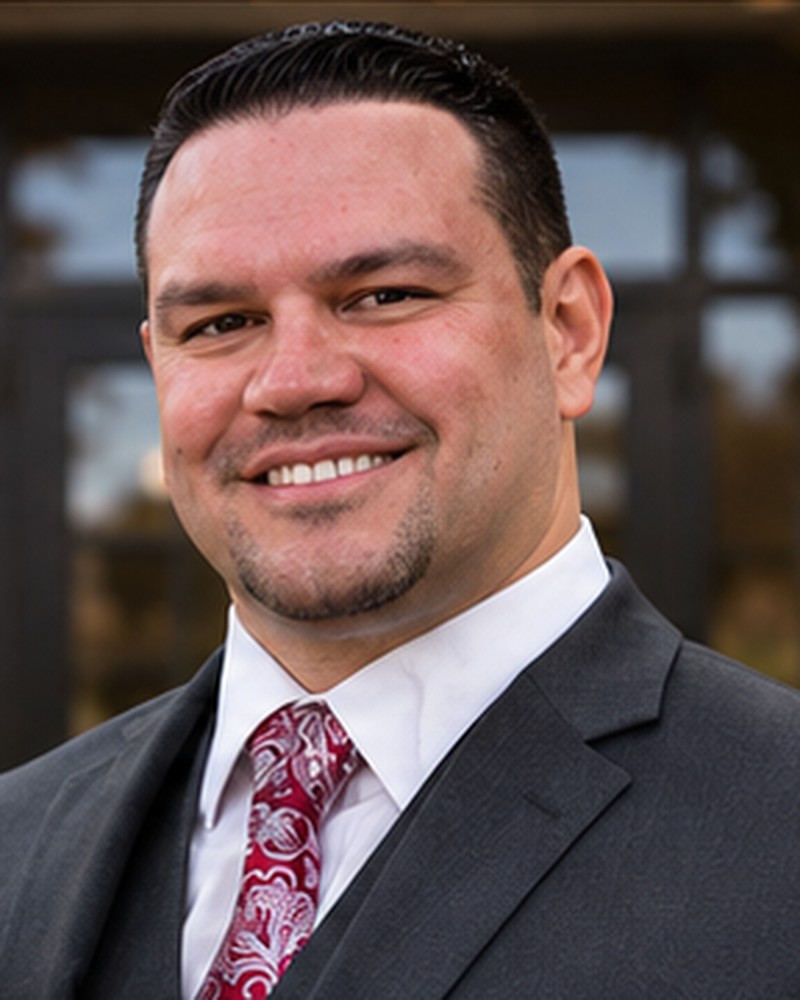
A Chicago-area native who worked in telecommunications and held two jobs to support his family before law school, Jason founded the firm in 2010 on a no-nonsense, plain-spoken approach to solving clients’ problems.
Admitted to the Indiana bar at 24, the youngest licensed attorney in the state at the time, Miguel pairs that early start with more than fifteen years helping Northwest Indiana families through injury claims and bankruptcy.
Most Lafayette injury cases are filed in Tippecanoe Superior Court at the Tippecanoe County Courthouse in downtown Lafayette. We appear there for hearings, depositions, and trial, and work with local counsel when a case calls for it.
Do I have to come to Merrillville or South Bend?
No. The consultation, the paperwork, and the negotiation are handled by phone, email, and video. We come to Tippecanoe County when the case needs us in person.
What is the difference between premises liability and a slip and fall?
Premises liability is the whole category: any injury caused by an unsafe condition on property someone else controls. A slip and fall is one kind of premises case; trip and fall, negligent security, and code violations are others.
I was hurt at a friend’s house. Do I have to sue my friend?
The claim is made against the homeowner’s or renter’s insurance policy, not against your friend personally. In most cases your friend never pays a dollar.
Find out if you have a case. It costs nothing to ask.
Five minutes on the phone and you will know where you stand. You will not owe us a fee unless we recover money for you, and the bills get handled before the check does.